
Published by Splash247
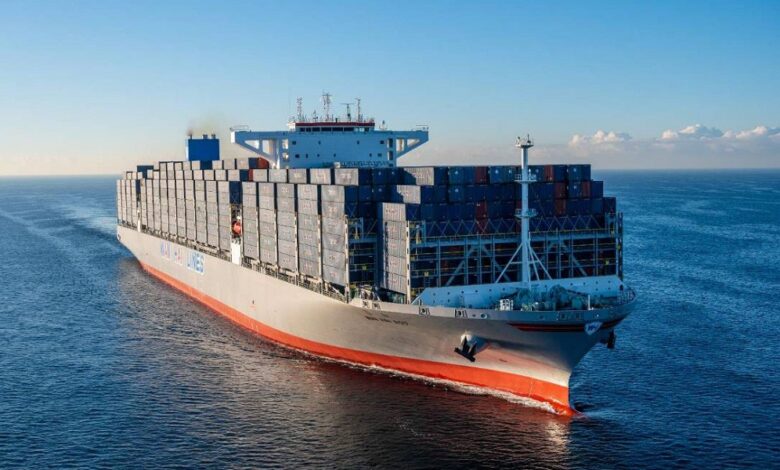
Samsung Electronics America has launched another legal challenge against a container carrier over pandemic-era detention and demurrage charges, filing a complaint against Taiwanese liner operator Wan Hai Lines with the US Federal Maritime Commission.
The complaint, formally accepted by the FMC, centres on more than $1.2m in detention, demurrage and related fees tied to “store door” shipments handled between 2020 and 2022.
Samsung argued the charges were improperly passed on to the shipper even though the inland transport leg was under the carrier’s control.
Under store door arrangements, the carrier assumes responsibility for cargo movement from the port to the inland delivery point. Samsung claims Wan Hai continued charging penalties linked to delays despite congestion and operational bottlenecks falling within the carrier’s own area of responsibility.
The FMC filing alleged Wan Hai violated sections of the US Shipping Act and failed to engage in an adequate dispute resolution process regarding the disputed invoices.
The case is the latest in a string of actions brought by Samsung against major container lines over fees imposed during the covid supply chain crisis, when severe port congestion left containers stranded for days or weeks across major gateways.
During the pandemic, carriers and terminals continued issuing detention and demurrage invoices even when importers argued they had no practical ability to retrieve containers because of terminal congestion, lack of appointments or inland transport disruptions.
The dispute now heads into formal FMC proceedings, with an administrative law judge expected to issue an initial decision by May 2027 and a final FMC ruling due later that year.
Samsung has already pursued similar complaints against several carriers, including ZIM Integrated Shipping Services, HMM, SM Line, COSCO Shipping Lines and Orient Overseas Container Line.
Last year, Samsung secured an FMC award worth about $3.68m in a case against ZIM after regulators found the carrier had imposed charges when cargo interests had no realistic ability to collect containers.
The broader regulatory backdrop has shifted significantly since the pandemic.
The FMC’s 2020 interpretive rule stated that detention and demurrage charges should primarily incentivise cargo movement rather than function as punitive revenue tools. Later reforms under the Ocean Shipping Reform Act of 2022 shifted the burden onto carriers to prove such charges are reasonable.
The Samsung-Wan Hai dispute also lands amid increasing scrutiny of carrier billing practices in the US container sector.
Earlier this year, the FMC issued a record $45.6m reparations ruling against OOCL in another complaint tied to detention and demurrage practices during the supply chain crisis.
Wan Hai has not yet publicly responded to the latest complaint. Under FMC rules, the carrier must file an answer within 25 days of service.